

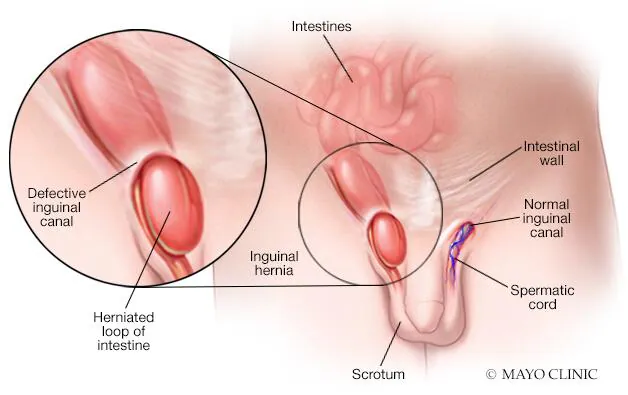
It may result from a hernia, which occurs when an organ or tissue pushes through a weakness in the layer of muscle or tissue that normally contains it. Hernia appears like an odd bulge that comes and goes during different activities and positions. Although a hernia can occur anywhere in your body, the most common locations include your groin and abdomen. While both men and women may develop a hernia, men are more susceptible to this condition. In severe cases, the doctor may recommend a hernia surgery in Singapore to treat it.
What are the Different Types of Hernia?
A hernia can be of any type; the two most common include inguinal and ventral hernias.
Inguinal Hernia
It is the most common kind of hernia developing in the groin and affects men, although women can get them as well. This hernia occurs when a part of the bowel pushes through the inguinal canal in the groin.
Ventral Hernia
This hernia occurs along the midline of the abdomen and includes incisional hernias occurring after abdominal surgery when the tissue protrudes through the area where the incision was made.
How to Tell if You Have a Hernia?
In general, a hernia doesn’t show any major symptoms except for the pain and bulge you feel in your organs. Here are the common signs indicating you may have developed this condition.
Bulge in the Groin or Abdomen
A bulge in the groin or abdomen is the very first sign of a hernia. Initially, it goes unnoticeable. But as you engage in activities that increase pressure within your abdomen, such as coughing or lifting heavy weights, the bulge starts protruding.
Pain and Soreness in the Affected Area
It is the second sign of a developing hernia. Your bulge may be accompanied by soreness or pain in the affected area. You will experience mild discomfort that elevates when you perform any strenuous activity, such as coughing, straining, jumping, or working out at the gym. However, this is not always the case as the bulge can sometimes be asymptomatic.
Nausea and Constipation
Over time, your hernia may progress, causing nausea and constipation. It happens when the section of the organ or tissue protruding through the hole gets stuck and its blood supply is cut off. At this point, you may also feel difficulty passing gas. When a hernia strangulates, it becomes life-threatening and requires medical attention like surgery.
Although men and women may feel the same symptoms of this condition, there are some exceptions where hernia symptoms in both genders may differ. For instance, a groin hernia may sometimes slip down into the sex organs and cause swelling in the testicles in men. In women, femoral hernia may occur in the abdomen after childbirth and cause invisible, unexplained groin pain.
When to See a Doctor?
Different kinds of hernias may vary in their symptoms and severity. Most cases of this condition do not call for any medical interventions. However, if the condition worsens and is left untreated, you may want to see a doctor. It is important to check with the doctor if you experience all these symptoms along with changes in the color of the hernia.
What is the Treatment of Hernia?
The doctor will discuss all your symptoms, review your medical history, and perform an examination to determine the kind of hernia. They will prescribe medication and in the worst case, recommend a hernia surgery in Singapore. Laparoscopic surgery with the latest high-tech tools minimizes the pain and risk and allows for a short recovery time. You can resume your normal, day-to-day activities in a couple of days. You can resume a full unrestricted activity schedule in a week or two after the surgery.
Takeaway
Hernia is a treatable condition that isn’t very serious. But in some cases, it may lead to complications, including excruciating pain, swelling, and the change of colour of the hernia. It is vital to be watchful of the symptoms and contact your doctor. They will give you the right suggestion and decide on a suitable approach to treat the condition.
