

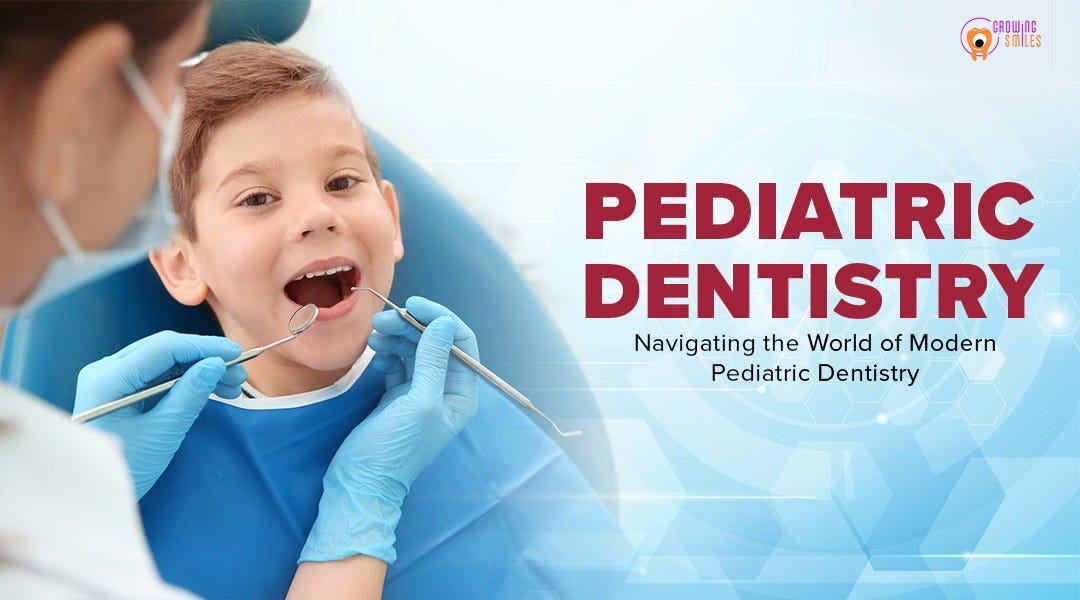
This blog post discusses the mixed emotions people feel about visiting the dentist and emphasizes the importance of understanding common dental procedures. It aims to inform readers about what to expect before, during, and after these procedures, highlighting the significance of regular dental check-ups for maintaining a healthy smile. If you’re looking to understand dental care better, this post is for you!
Overview of Common Dental Procedures
When it comes to dental care, familiarity with the procedures can make all the difference. Here’s a breakdown of some of the most common ones you might encounter.
Teeth Cleaning
Teeth cleaning is perhaps the most familiar dental procedure. Usually performed by a dental hygienist, this involves removing plaque and tartar build-up to keep your teeth and gums healthy. Routine cleanings help prevent cavities and gum disease, ensuring your smile remains bright and healthy.
During a cleaning, your hygienist will use specialized tools to gently scrape away tartar from above and below the gum line. This process might feel a bit uncomfortable, but it’s crucial for maintaining oral hygiene. They might also polish your teeth to remove surface stains and improve your smile’s appearance.
Regular cleanings, typically every six months, can significantly reduce the risk of developing more serious dental issues. Not only do they keep your teeth looking their best, but they also contribute to better overall health.
Fillings and Restorations
Fillings are a common solution for cavities—small holes that form in your teeth due to decay. When cavities are detected early, your dentist can clean out the decayed portion and fill the gap with materials like composite resin, amalgam, or porcelain.
The procedure is relatively quick and straightforward. Your dentist will first numb the area around the affected tooth to ensure comfort, then remove the decay before filling the cavity. The material used for the filling is chosen based on factors like the tooth’s location and the amount of pressure it will endure.
Restorations don’t just stop at fillings; they can also include crowns and bridges that replace missing or damaged teeth. These help restore functionality and aesthetics to your smile, often lasting for many years with proper care.
Tooth Extractions
Sometimes, despite best efforts, a tooth may need to be removed. This could be due to severe decay, infection, or overcrowding. Tooth extractions, while sounding daunting, are quite routine and can alleviate pain or prevent further complications.
Prior to an extraction, your dentist or oral surgeon will numb the area to minimize discomfort. The tooth is then carefully loosened and removed. Depending on the tooth’s position and condition, the procedure might be simple or more complex, requiring more advanced techniques.
Post-extraction care is essential. Follow your dentist’s instructions on managing pain and swelling, and avoid activities that could disrupt healing. Recovery typically takes a few days, with most patients returning to normal activities shortly thereafter.
Root Canals
Root canals often sound intimidating, but they’re a vital treatment for saving teeth that might otherwise need extraction. This procedure treats infection within the tooth’s pulp—a soft tissue containing nerves and blood vessels—eliminating pain and restoring health.
Your dentist or endodontist will start by numbing the area. They then create an opening in the tooth, remove the infected pulp, and clean the canals inside the roots. After sealing the tooth to prevent further infection, a crown may be placed to restore its strength.
While root canals have a reputation for being painful, advances in technology and anesthesia mean they’re no worse than having a filling. Plus, they save your natural tooth, avoiding the need for replacements.
Dental Implants
For those who’ve lost a tooth, dental implants offer a long-lasting, natural-looking solution. Implants are metal posts surgically placed into the jawbone, serving as a sturdy base for artificial teeth like crowns or bridges.
The process takes several months, beginning with implant placement and followed by a healing period where the bone fuses around the implant—a process known as osseointegration. Once healed, a custom-made tooth is attached to the implant, completing your smile with a tooth implant like those available in Springfield, MO.
Dental implants require commitment and proper care but provide outstanding durability and aesthetics. They function like real teeth, allowing you to eat, speak, and smile confidently.
Orthodontic Treatments
Orthodontic treatments, such as braces or clear aligners, are designed to correct misaligned teeth and improve bite function. These treatments not only enhance your smile aesthetically but also contribute to better oral health by making it easier to clean your teeth.
Braces consist of metal brackets adhered to each tooth, connected by wires to gradually shift teeth into place. Clear aligners, like Invisalign, offer a more discreet option, using a series of removable trays to achieve similar results.
Treatment duration varies, typically lasting from several months to a couple of years, depending on individual needs. Regular check-ups ensure progress is on track, and adjustments are made as needed.
The Importance of Regular Dental Check-ups
Routine dental visits play a critical role in preventing and identifying oral health issues early.
Preventive Care and Its Impact on Overall Oral Health
Preventive care forms the foundation of dental health. Regular check-ups allow dentists to clean your teeth thoroughly, removing harmful plaque and tartar that brushing alone can’t tackle.
Additionally, these visits give your dentist a chance to spot potential problems before they escalate. Early detection of cavities, gum disease, or other conditions means less invasive and often less costly treatments.
Beyond teeth, periodic examinations can reveal signs of systemic health issues. Conditions like diabetes or heart disease can manifest in the mouth, so routine care supports broader health monitoring.
How Routine Check-ups Can Help Identify Issues Early
Frequent dental exams and cleanings enable your dentist to monitor changes in your oral health over time. This vigilance helps catch issues such as tooth decay, gum inflammation, or enamel wear at their earliest stages.
Dentists also use X-rays to examine areas not visible during a standard exam. These images can reveal cavities between teeth, bone loss, or impacted teeth, providing a comprehensive view of your oral health.
Addressing dental problems early typically involves simpler, more effective treatments. For example, a small cavity can be treated with a filling, while a neglected one may require a root canal or extraction.
Conclusion
Understanding common dental procedures equips you with the knowledge to make informed decisions and demystifies the dental experience. Whether it’s a routine cleaning or a more complex treatment, knowing what to expect reduces anxiety and empowers you to take control of your oral health.
