

A startup website is rarely a one-and-done project. It may begin as a simple landing page, then grow to include customer accounts, product information, online payments, analytics, and support tools. Planning that work well means balancing technical priorities with the limited time and budget most new businesses have. A phased approach can help a team launch sooner, learn from users, and make better decisions about what to build next.
Growth also depends on being discoverable. A useful site needs clear content and a way to reach the people it is meant to serve. Technical planning and audience development therefore belong in the same conversation, even when they involve different specialists.
Start With the User and the Business Goal
Before choosing a framework or commissioning a design, define the main job the website should do. Is it meant to collect qualified leads, sell a product, explain a service, or help existing customers complete a task? A specific goal makes it easier to decide which features are essential and which can wait.
Write down the intended audience and the problem the site solves for them. Then map the main path a visitor should take, from arriving on a page to completing an action. For an early product, this might be reading a concise explanation, viewing a demonstration, and submitting an email address. Avoid adding features simply because competitors have them; each one creates design, development, testing, and maintenance work.
Build a Clear, Staged Scope
Large digital projects become difficult to estimate when they are described in broad terms such as “build a complete platform.” Replace that phrase with concrete deliverables: a responsive homepage, account registration, a searchable listing page, or a payment flow. For each deliverable, note who will use it, what it must do, and how the team will know it works.
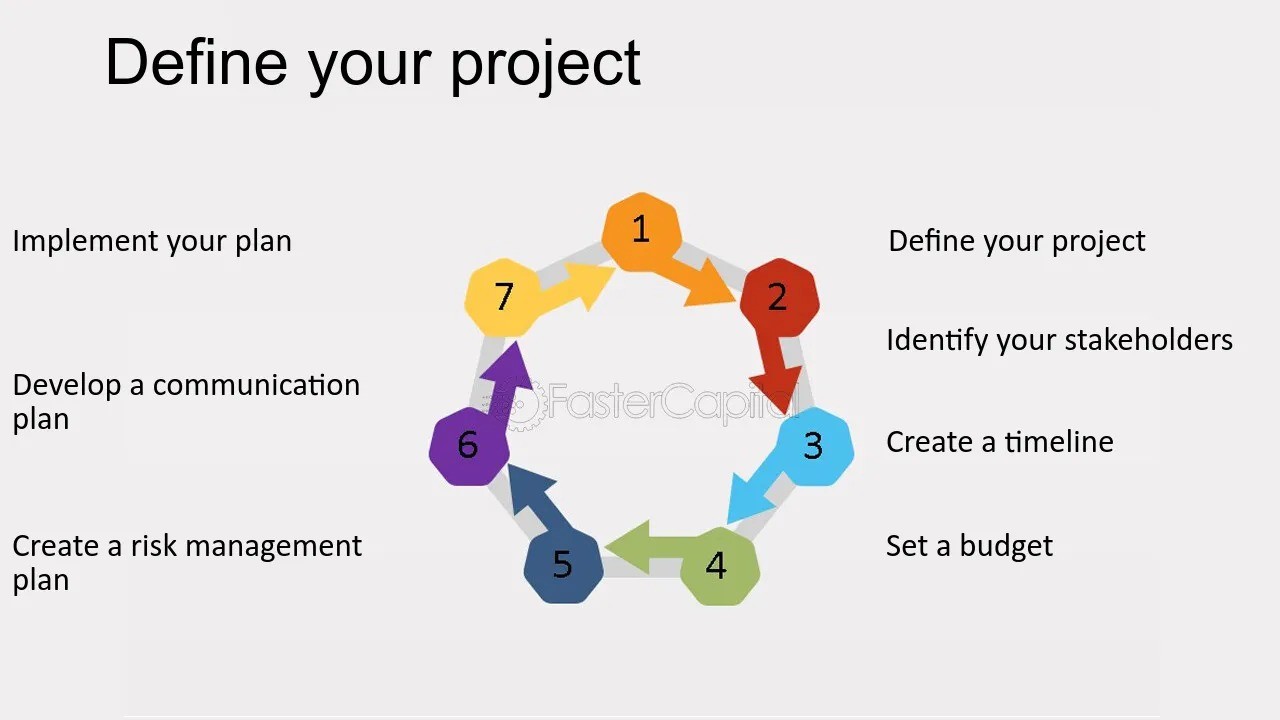
It helps to break large projects into smaller parts, each with a defined outcome and review point. A first release might include only the features needed to test the central business idea. Later stages can respond to customer feedback rather than assumptions. This makes progress visible and gives decision-makers a chance to adjust priorities before a costly chain of work is underway.
When estimating costs, include more than the initial build. Allow for content entry, quality assurance, accessibility checks, hosting, security updates, and ongoing improvements. A modest contingency is also useful because integrations and older systems can reveal unexpected constraints.
Choose a Manageable Technical Foundation
The best technology is not automatically the newest or most complex. Select tools that fit the product’s requirements and the team’s capacity to maintain them. A content-managed site may suit a business publishing articles and service pages, while a custom application may be justified when users need specialised workflows or data handling.
Consider performance, security, and accessibility from the beginning. Compress images, avoid unnecessary scripts, and test pages on mobile devices and slower connections. Use secure authentication and collect only the personal information the service genuinely needs. Accessible headings, labels, contrast, and keyboard controls help more people use the site and can prevent expensive retrofits.
Work Effectively With Freelancers
Outsourcing can give a startup access to design, development, writing, or marketing skills without hiring a full team. It works best when the brief is specific. Share the intended audience, examples of desired functionality, brand materials, technical requirements, and acceptance criteria. Identify one person who can answer questions and approve work so freelancers are not left waiting on conflicting feedback.
Agree on milestones, delivery formats, revision limits, and communication routines before work begins. Keep project files and decisions in a shared, organised location. A freelance marketplace such as Osdire offers services across categories including programming, design, writing, and marketing; its flat pricing and payment process can be considered alongside the project’s scope and working requirements. Regardless of where a freelancer is hired, review each milestone against the agreed criteria rather than relying on vague impressions.
Plan for Visibility Alongside Development
A technically sound website still needs useful material that answers real questions. Start with core pages explaining the product, pricing or next steps, and the team’s expertise. Add articles only when they serve a clear purpose for readers, such as clarifying a common problem or sharing a practical lesson from building the business.
For startups seeking relevant places to publish, startup guest-posting sites can help identify blogs that cover entrepreneurship and new businesses. Treat publication as a way to contribute insight to an established audience, not simply as a link-building exercise. Check that a publication’s readers match the people the company wants to reach, and create a useful, original article for that audience.
Before committing to a guest article or campaign, decide how success will be assessed. Referral visits, newsletter sign-ups, qualified enquiries, or meaningful engagement may be more informative than raw page views. Use consistent analytics and respect readers’ privacy when measuring results.
Review, Learn, and Improve
After launch, monitor a small set of measures tied to the original goal. Look for where visitors leave, which pages lead to enquiries, and whether users can complete important tasks without assistance. Combine analytics with direct feedback; numbers can show that a problem exists, while conversations often explain why.
Schedule regular reviews of performance, security, content, and customer feedback. Fix urgent issues first, then prioritise improvements by their likely benefit and effort. A startup does not need a perfect website on day one. It needs a dependable first version, a manageable plan for the work ahead, and a habit of improving the experience as the business learns.
