

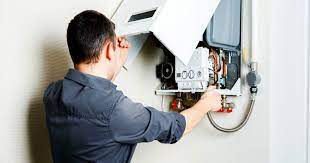
Choosing the right hot water system for your home is a crucial decision that can significantly impact your comfort, energy consumption, and utility bills. With a variety of options available, understanding the different types of hot water systems is essential to making an informed choice that best fits your needs and lifestyle.
Hot water systems are an integral part of any household, providing the necessary heat for bathing, cooking, and cleaning. The right system can enhance your home’s efficiency and reduce energy costs, while the wrong one can lead to higher expenses and frequent maintenance issues. The market offers several types of hot water systems, each with its unique features, benefits, and drawbacks.
This comprehensive guide aims to demystify the different types of hot water systems available today. We will delve into the workings of traditional storage tank water heaters, explore the efficiency of tankless (on-demand) water heaters, understand the environmental benefits of solar water heaters, and examine the cost-effectiveness of heat pump water heaters. Additionally, we will discuss factors to consider when choosing a hot water system, such as household size, energy efficiency, installation costs, and long-term maintenance.
By the end of this guide, you will have a thorough understanding of the various hot water systems and be well-equipped to choose the one that best suits your home’s needs.
Traditional Storage Tank Water Heaters
Traditional storage tank water heaters are among the most commonly used hot water systems in homes. These systems consist of a large insulated tank that stores hot water, which is heated either by gas or electricity. The heated water is stored in the tank until it is needed, ensuring a ready supply for household use.
How They Work
Storage tank water heaters operate by heating water in the tank to a pre-set temperature. A thermostat monitors the water temperature, and when it falls below the desired level, the heating element or burner is activated to reheat the water. This process ensures that a consistent amount of hot water is always available.
Benefits and Drawbacks
One of the primary advantages of traditional storage tank water heaters is their simplicity and reliability. They are relatively easy to install and maintain, making them a popular choice for many homeowners. Additionally, they can supply hot water to multiple outlets simultaneously, which is beneficial for larger households.
However, there are also drawbacks to consider. Storage tank water heaters tend to be less energy-efficient compared to other types because they continuously heat water to maintain the set temperature, even when not in use. This standby heat loss can lead to higher energy bills. Furthermore, the capacity of the tank limits the amount of hot water available at any given time. Once the stored hot water is depleted, there can be a significant wait time for the tank to reheat new water.
Ideal Use Cases
Traditional storage tank water heaters are best suited for households with consistent and moderate hot water needs. They are a practical choice for homes with multiple bathrooms and large families, as they can provide hot water to several fixtures at once. Additionally, they are a good option for homeowners looking for a cost-effective solution with straightforward installation and maintenance.
Tankless (On-Demand) Water Heaters
Tankless, or on-demand, water heaters are an increasingly popular choice for homeowners seeking an efficient and space-saving solution for their hot water needs. Unlike traditional storage tank systems, tankless water heaters heat water only when it is needed, providing a continuous supply of hot water without the need for a storage tank.
How They Function
Tankless water heaters operate by passing cold water through a heat exchanger, where it is rapidly heated to the desired temperature. This process is triggered whenever a hot water tap is turned on, ensuring that hot water is available almost instantly. The heating mechanism can be powered by either gas or electricity, depending on the model.
Advantages Over Traditional Systems
One of the main advantages of tankless water heaters is their energy efficiency. Since they only heat water on demand, they eliminate the standby heat loss associated with storage tank water heaters, leading to significant energy savings.
Additionally, tankless water heaters offer an endless supply of hot water. As long as the unit’s flow rate is not exceeded, hot water can be supplied continuously, making them ideal for households with high hot water demand. They are also more compact than traditional systems, taking up less space and offering flexible installation options.
Considerations for Installation and Use
While tankless water heaters offer many benefits, there are important considerations to keep in mind. The initial installation cost can be higher than that of traditional storage tank systems, particularly if significant modifications to existing plumbing and electrical systems are required. However, the long-term energy savings can offset this initial investment.
Another factor to consider is the unit’s flow rate. Tankless water heaters have a maximum flow rate, which can be a limitation if multiple hot water fixtures are used simultaneously. It is crucial to select a unit with a flow rate that matches your household’s hot water usage patterns to ensure optimal performance.
Ideal Use Cases
Tankless water heaters are well-suited for smaller homes or apartments where space is limited and energy efficiency is a priority. They are also a great option for larger households with high hot water demand, provided that the unit’s flow rate is sufficient. Homeowners looking to reduce their energy consumption and utility bills will find tankless water heaters an attractive choice.
Heat Pump Water Heaters
Heat pump water heaters (HPWHs) are an innovative and energy-efficient alternative to traditional water heating systems. They work by transferring heat from the surrounding air to heat the water, making them a highly efficient choice for homeowners looking to reduce their energy consumption and environmental footprint.
Working Principle
Heat pump water heaters operate on a principle similar to that of a refrigerator but in reverse. Instead of generating heat directly, they use electricity to move heat from the surrounding air into the water tank. This process involves a compressor, a refrigerant, and a heat exchanger. The refrigerant absorbs heat from the air and then passes through the heat exchanger to transfer the heat to the water.
Energy Efficiency and Cost Savings
One of the primary benefits of heat pump water heaters is their superior energy efficiency. They can be two to three times more energy-efficient than conventional electric water heaters because they move heat rather than generate it. This efficiency translates into significant cost savings on energy bills over the lifetime of the unit.
Additionally, many heat pump water heaters come with advanced features such as programmable settings and smart controls, allowing homeowners to optimize energy use based on their specific needs and patterns of hot water consumption.
Suitability for Different Climates and Homes
Heat pump water heaters are most effective in moderate to warm climates where they can draw ample heat from the air. They are typically installed in spaces that remain between 40°F and 90°F year-round, such as basements, garages, or utility rooms. In cooler climates, their efficiency can be reduced, and they may require a backup heating element to ensure a consistent supply of hot water.
It’s also important to consider the space requirements for heat pump water heaters. They generally need more space than traditional water heaters to allow for proper airflow around the unit. However, their energy savings and efficiency can make them an excellent choice for many homes, particularly those in warmer regions.
Ideal Use Cases
Heat pump water heaters are ideal for environmentally conscious homeowners who want to reduce their energy consumption and lower their utility bills. They are also suitable for homes with moderate to high hot water demand, provided there is adequate space for installation and proper ambient conditions. For those living in regions with higher temperatures, heat pump water heaters can offer substantial long-term savings and environmental benefits.
Solar Water Heaters
Solar water heaters harness the power of the sun to provide an eco-friendly and cost-effective solution for your hot water needs. These systems use solar collectors to capture and convert sunlight into heat, which is then used to warm the water. Solar water heaters are an excellent choice for homeowners looking to reduce their reliance on conventional energy sources and minimize their environmental footprint.
Mechanism of Solar Water Heating
Solar water heaters consist of two main components: solar collectors and a storage tank. The collectors, typically installed on the roof, absorb sunlight and convert it into heat. There are two primary types of collectors: flat-plate collectors and evacuated tube collectors. Flat-plate collectors are more common and consist of a dark flat plate absorber, while evacuated tube collectors are made up of rows of parallel, transparent glass tubes.
The heated water or heat-transfer fluid from the collectors is then circulated to a storage tank, where the heat is transferred to the water. The heated water is stored until it is needed, providing a continuous supply of hot water. In some systems, an auxiliary energy source, such as a gas or electric booster, is used to ensure a reliable hot water supply during periods of low sunlight.
Environmental Benefits
One of the most significant advantages of solar water heaters is their environmental impact. By utilizing renewable energy from the sun, these systems reduce greenhouse gas emissions and reliance on fossil fuels. This makes them an environmentally responsible choice, contributing to the reduction of your household’s carbon footprint.
Additionally, solar water heaters can lead to substantial energy savings over time. Although the initial investment can be higher than traditional water heaters, the operational costs are significantly lower, as sunlight is free. This can result in considerable savings on energy bills, particularly in sunny regions.
Installation Requirements and Initial Costs
Installing a solar water heater requires careful consideration of several factors, including the orientation and angle of your roof, local climate conditions, and available sunlight. Ideally, solar collectors should be installed on a south-facing roof with minimal shading to maximize efficiency.
The initial cost of a solar water heater can be higher than conventional systems, including the cost of the collectors, storage tank, and installation. However, many governments and local authorities offer incentives, rebates, and tax credits to offset these costs, making solar water heaters a more affordable option for many homeowners.
Ideal Use Cases
Solar water heaters are particularly well-suited for homes in sunny regions with high solar insolation. They are an excellent choice for environmentally conscious homeowners looking to reduce their energy consumption and carbon footprint. Additionally, homes with large roof areas that receive ample sunlight throughout the day can benefit greatly from the installation of a solar water heater.
Conclusion
Choosing the right hot water system is a pivotal decision that affects your home’s comfort, energy efficiency, and overall utility costs. With several options available, understanding the different types of hot water systems can help you make an informed decision tailored to your specific needs and preferences.
Traditional Storage Tank Water Heaters offer reliability and ease of installation, making them suitable for homes with consistent hot water needs. However, their lower energy efficiency and potential for higher utility bills are significant considerations.
Tankless (On-Demand) Water Heaters provide an endless supply of hot water and excellent energy efficiency, but their higher initial installation costs and flow rate limitations need to be evaluated against your household’s hot water demand.
Heat Pump Water Heaters are highly energy-efficient and environmentally friendly, using ambient air to heat water. They are ideal for moderate to warm climates and offer substantial long-term savings, although they require more space and an appropriate installation environment.
Solar Water Heaters harness renewable energy, reducing both energy bills and environmental impact. While they have higher upfront costs and depend on adequate sunlight, government incentives and long-term savings make them an attractive option for many homeowners.
When selecting a hot water system, consider factors such as your household size, hot water usage patterns, climate, installation space, and budget. Each system has its unique advantages and potential drawbacks, so it’s essential to weigh these aspects carefully to find the best fit for your home.
In conclusion, investing time in researching and understanding the various hot water systems available will pay off in comfort, efficiency, and cost savings. Whether you prioritize energy efficiency, environmental impact, or upfront costs, there is a hot water system that can meet your needs and enhance your home’s overall functionality. By making an informed choice, you can ensure a steady, reliable supply of hot water while optimizing your energy use and reducing your environmental footprint.
