

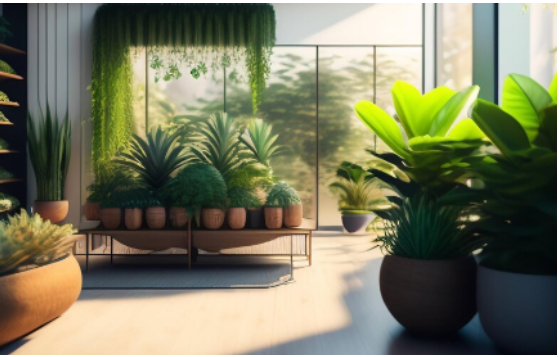
Biophilic design, a concept that integrates natural elements into the built environment, has gained significant traction in recent years. This design philosophy aims to foster a connection between humans and nature, which has been shown to improve well-being, productivity, and overall quality of life. The increasing prevalence of technology in our lives might seem at odds with this nature-centric approach, but when used thoughtfully, technology can enhance biophilic design in innovative ways. This article explores the role of biophilic design in modern architecture, the use of technology to reinforce this connection, and practical applications, including the integration of advanced tools like floor plan makers to create spaces that harmonize with natural elements.
Understanding Biophilic Design
Biophilic design is rooted in the concept of biophilia, a term popularized by biologist E.O. Wilson, which describes humans’ innate affinity for nature. This design approach leverages natural materials, light, vegetation, water, and other elements to create environments that evoke a sense of connection with the natural world. The goal is not just to create aesthetically pleasing spaces but to cultivate environments that support physical and mental health.
The principles of biophilic design are often categorized into three main areas: direct experiences of nature, indirect experiences of nature, and the human-nature relationship. Direct experiences involve incorporating elements like plants, water features, and natural light. Indirect experiences refer to the use of natural materials, colors, and shapes that mimic natural patterns, such as wood textures, green walls, or biomorphic forms. Lastly, the human-nature relationship emphasizes creating spaces that promote engagement with nature, such as gardens or outdoor views.
The Role of Technology in Enhancing Biophilic Design
While biophilic design emphasizes natural elements, technology plays a crucial role in amplifying the human-nature connection within buildings. Advanced technologies enable architects and designers to simulate, enhance, and maintain natural elements in environments where they may otherwise be absent. For example, LED lighting systems can mimic the natural progression of sunlight, creating dynamic lighting conditions that change throughout the day. Smart glass technologies can adjust transparency to maximize natural light while minimizing glare and heat gain.
In addition to lighting, digital simulations of natural environments, such as virtual reality (VR) and augmented reality (AR), are increasingly used in biophilic design. These technologies allow individuals to immerse themselves in natural landscapes, even in urban settings. For instance, a hospital waiting room could feature a VR experience of a tranquil forest, helping to reduce stress and anxiety for patients and their families.
Advanced climate control systems also contribute to biophilic design by maintaining optimal humidity and temperature levels that mimic natural outdoor conditions. Integrating air quality sensors and automated ventilation systems ensures that indoor air remains fresh and healthy, akin to spending time outdoors.
Moreover, technology supports the maintenance of living elements like green walls and indoor gardens. Automated irrigation systems, sensors, and AI-driven plant care applications can monitor and optimize the conditions for plant health, making it easier to sustain biophilic elements in a building.
Designing Biophilic Spaces with Floor Plan Makers
One critical aspect of biophilic design is the planning and layout of spaces to maximize exposure to natural elements. Floor plan makers are advanced tools that aid in visualizing and optimizing space usage, ensuring that biophilic principles are embedded in the initial design stages. These software solutions enable architects and designers to create layouts that incorporate natural light, views, and access to outdoor spaces seamlessly.
Floor plan makers offer a range of features that support biophilic design, such as 3D modeling, which allows designers to visualize how light moves through a space at different times of the day. This feature helps in positioning windows, skylights, and reflective surfaces to maximize natural light exposure. Additionally, these tools can simulate the placement of vegetation and water features, allowing designers to experiment with various biophilic elements before construction begins.
The integration of biophilic design into the floor planning stage also considers factors like flow and movement within the space. Floor plan makers enable designers to create fluid layouts that encourage movement and interaction with natural elements. For example, a floor plan could incorporate winding pathways that mimic natural trails, leading occupants through different zones filled with plants, water features, or areas with natural light.
Furthermore, floor plan makers can integrate environmental data to enhance biophilic design. By analyzing factors such as sun orientation, wind patterns, and local climate, designers can make informed decisions about building orientation, window placement, and the selection of materials that align with biophilic principles. This data-driven approach ensures that the final design not only looks natural but also functions in harmony with the surrounding environment.
Case Studies of Technology-Enhanced Biophilic Design
Several innovative projects worldwide showcase how technology enhances biophilic design, creating spaces that foster human-nature connections in urban environments. One notable example is the Amazon Spheres in Seattle, USA. These glass domes serve as an urban oasis filled with over 40,000 plants from around the world, creating a rainforest-like environment. The Spheres utilize advanced climate control technologies to maintain temperature and humidity levels conducive to plant growth, while also providing employees with a calming, nature-immersive workspace.
Another example is the Bosco Verticale (Vertical Forest) in Milan, Italy. This residential building incorporates over 900 trees and 20,000 plants across its façade, effectively bringing a vertical forest into the city skyline. Technology plays a crucial role in maintaining this complex ecosystem, with automated irrigation systems and sensors monitoring plant health and growth conditions.
These projects demonstrate the potential of biophilic design when combined with technology. They not only enhance the aesthetic and environmental quality of buildings but also provide tangible health benefits to occupants, such as reduced stress levels, improved air quality, and increased overall well-being.
Challenges and Future Directions
While the integration of technology and biophilic design offers numerous benefits, it also presents challenges. One of the main hurdles is the cost associated with advanced technologies, which can be prohibitive for smaller projects or budget-conscious developers. Additionally, the reliance on technology for maintaining natural elements introduces complexities in terms of maintenance and sustainability. For instance, automated systems require regular updates and repairs, and the energy consumption of digital simulations or advanced lighting systems must be managed carefully to avoid offsetting the environmental benefits of biophilic design.
Looking ahead, the future of biophilic design will likely see even greater integration of technology, with advancements in artificial intelligence, smart building systems, and sustainable materials driving new innovations. For example, AI could be used to analyze occupant behavior and adjust environmental conditions in real-time, optimizing the biophilic experience for individuals. Moreover, as sustainable technology continues to evolve, the energy footprint of biophilic enhancements is expected to decrease, making these designs more accessible and environmentally friendly.
Conclusion
Biophilic design represents a powerful approach to reconnecting people with nature in built environments, enhancing both mental and physical well-being. By leveraging technology, architects and designers can push the boundaries of what is possible, creating spaces that not only incorporate natural elements but also actively promote human-nature connections. Tools like floor plan makers are instrumental in this process, enabling the thoughtful integration of biophilic principles from the outset of the design journey. As we continue to navigate the challenges of urbanization and the increasing disconnection from nature, biophilic design, supported by technology, offers a promising path forward for creating healthier, more sustainable spaces.
