

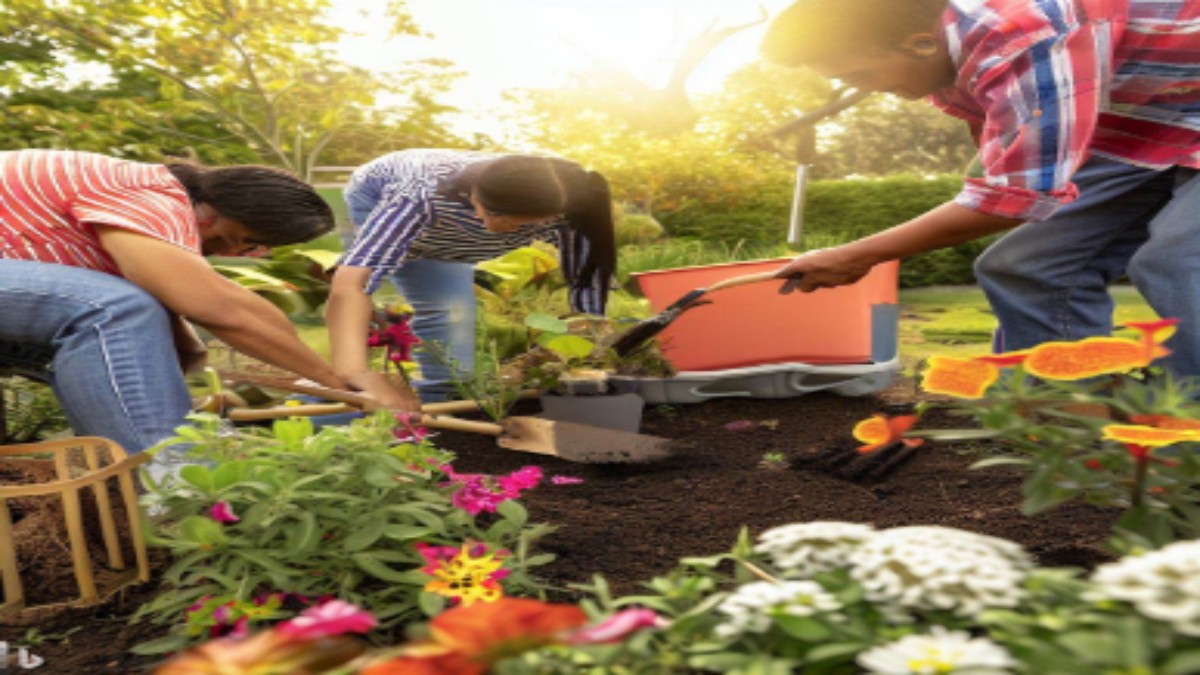
In recent years, home gardening has blossomed into a popular hobby for many. With benefits ranging from fresh produce to stress relief, creating a garden is an adventure that promises endless rewards. Whether you live in a cozy apartment or a spacious suburban home, turning your patch of earth into a thriving garden is a venture worth pursuing.
In this guide, we’ll take you through everything you need to get started—from essential tools to eco-friendly pest control. Let’s dig in and discover how you can cultivate your green thumb.
Essential Tools for Every Gardener
Every great gardener needs the right tools to nurture their plants effectively. When starting your garden, prioritize quality over quantity. A trusty pair of gloves will protect your hands from thorns and soil, while a durable trowel is perfect for planting and weeding. Invest in a hand fork for loosening soil and a spade for digging larger holes or moving soil around.
Secateurs or pruning shears come in handy for trimming plants and maintaining their shape. A watering can with a rose attachment ensures gentle watering that won’t disturb delicate seedlings. Finally, a sturdy wheelbarrow saves time and effort as you transport soil, compost, or plants around your garden.
Equipping yourself with these essential tools sets the foundation for a successful gardening experience. Not only will you work more efficiently, but you’ll also find the process more enjoyable. Remember, taking care of your tools by cleaning them regularly and storing them properly extends their lifespan and keeps your garden looking its best.
Selecting the Right Seeds and Plants
The success of your garden largely depends on choosing the right seeds and plants. Begin by researching plants suited to your climate and soil type. Consider your local growing season and select varieties that thrive in those conditions. For instance, tomatoes and peppers flourish in warm climates, while lettuce and kale prefer cooler temperatures.
If you’re new to gardening, begin with easy-to-grow plants such as radishes, beans, and herbs. These resilient options provide quick results, helping to boost your confidence as a gardener. Additionally, consider incorporating perennials into your garden; they are a worthwhile investment that returns year after year, rewarding your efforts with minimal maintenance. For those who have researched or have experience in planting seeds, purchasing seeds in bulk—like wildflowers, tomatoes, and other varieties—can save you time and effort.
Local nurseries and gardening centers provide invaluable advice on plant selection. They can guide you toward native plants that require less water and adapt well to your environment. By choosing the right seeds and plants, you’re setting the stage for a flourishing garden that reflects your region’s natural beauty.
Preparing Your Garden Space
A well-prepared garden space is key to nurturing healthy plants. Start by selecting a location that receives adequate sunlight—most vegetables need at least six hours of direct sunlight each day. Observe your garden’s natural drainage patterns, as areas prone to waterlogging may require raised beds or improved soil drainage.
Preparing your soil is a crucial step in the gardening process. Begin by removing weeds and debris, then use a garden fork to loosen the soil and improve aeration. Incorporate organic matter such as compost or well-rotted manure to enhance soil fertility and structure.
Composting is an eco-friendly way to enrich your garden soil. By recycling kitchen scraps, grass clippings, and leaves, you create nutrient-rich compost that supports plant growth. This natural approach to soil amendment reduces waste and boosts the health of your garden, creating a flourishing environment for your plants to thrive.
Eco-Friendly Pest Control and Plant Health
Keeping your garden healthy involves safeguarding it from pests and diseases. Rather than resorting to chemical pesticides, consider natural methods for pest control. Companion planting is an effective strategy, using certain plants to deter pests or attract beneficial insects. For example, marigolds repel nematodes, while basil can deter flies and mosquitoes. If you notice ants in bathroom, it could be a sign that they are seeking moisture, and using eco-friendly pest control methods can help manage them.
Encourage a diverse ecosystem within your garden by attracting beneficial insects such as ladybugs and lacewings. These natural predators help control aphid populations, reducing the need for intervention. Installing bird feeders can also draw birds that feed on garden pests.
Maintaining plant health involves regular monitoring for signs of disease. Promptly remove affected leaves or plants to prevent the spread of infection. Ensure proper spacing between plants to promote air circulation and reduce humidity, which can exacerbate fungal issues. With these eco-friendly solutions, you create a balanced, thriving garden that coexists with nature.
Maintaining Your Garden
Consistent maintenance is essential for a flourishing garden. Start by establishing a watering routine based on your plants’ needs and local climate. Early morning watering is ideal, allowing moisture to reach the roots before the sun’s heat causes evaporation. Use mulch to retain soil moisture and suppress weed growth.
Weeding is a necessary task that prevents competition for resources. Regularly remove weeds by hand or with a hoe, taking care to uproot them completely. This keeps your plants healthy and ensures they receive the nutrients and water they need to thrive.
Pruning and deadheading are vital for promoting growth and prolonging blooming periods. Prune back overgrown plants and remove spent flowers to encourage new blooms. By paying attention to these routine tasks, you create an environment where your garden can flourish, providing beauty and bounty throughout the growing season.
Conclusion
Now that you have grasped the fundamental gardening practices, it’s time to put that knowledge into action. Begin with the right tools, choose appropriate plants and seeds, prepare your garden space, and ensure the health of your plants through eco-friendly methods. With patience and dedication, you’ll soon enjoy the fruits of a thriving garden that delights both you and nature. Happy gardening!
