

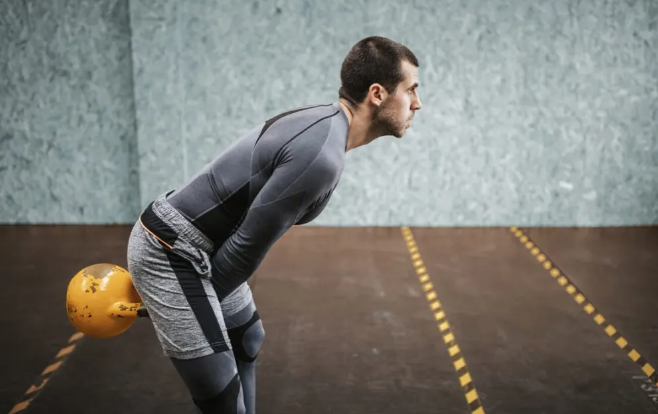
The kettlebell swing is a powerhouse exercise, revered for its ability to deliver a full-body workout while targeting specific muscle groups like the glutes, hamstrings, and core. If you’re new to fitness or just discovering the world of kettlebells, this guide will walk you through the essentials of kettlebell swing workouts for beginners. By the end, you’ll not only feel the burn but also understand the mechanics and benefits of this dynamic exercise.
What is a Kettlebell Swing?
A kettlebell swing is a dynamic movement that involves swinging a kettlebell between your legs and up to shoulder height. This exercise hinges on the hips and engages multiple muscle groups, making it an efficient way to build strength and cardiovascular endurance. The primary muscles worked during a kettlebell swing include the glutes, hamstrings, core, and shoulders.
Why Choose Kettlebell Swings?
Kettlebell swings offer several benefits that make them an excellent addition to any workout routine, especially for beginners:
- Full-Body Workout: Kettlebell swings engage multiple muscle groups, providing a comprehensive workout in a single movement.
- Improved Cardiovascular Fitness: The dynamic nature of the exercise elevates your heart rate, improving cardiovascular health.
- Enhanced Core Strength: Maintaining stability during the swing requires significant core engagement.
- Increased Power and Explosiveness: The hip-hinge movement develops power and explosiveness, which can benefit athletic performance.
- Time Efficiency: A few sets of kettlebell swings can give you a high-intensity workout in a short period.
Getting Started with Kettlebell Swings
Before diving into kettlebell swing workouts, it’s crucial to learn the proper technique to avoid injury and maximize effectiveness. Here’s a step-by-step guide to performing a basic kettlebell swing:
Step-by-Step Guide to the Kettlebell Swing
Starting Position:
- Stand with your feet shoulder-width apart.
- Place a kettlebell on the floor about a foot in front of you.
- Hinge at your hips, keeping your back straight, and bend your knees slightly to reach the kettlebell.
- Grab the kettlebell with both hands, palms facing down.
The Swing:
- Hike the kettlebell back between your legs like a football.
- Drive your hips forward explosively, straightening your legs and swinging the kettlebell up to shoulder height.
- Keep your arms straight but relaxed, allowing the momentum generated by your hips to swing the kettlebell.
- Your body should form a straight line at the top of the swing, with your core engaged and glutes squeezed.
Return to Starting Position:
- Let the kettlebell swing back down between your legs by hinging at your hips.
- Repeat the movement, maintaining a steady rhythm and controlled breathing.
Common Mistakes to Avoid
To ensure you get the most out of your kettlebell swings and avoid injury, steer clear of these common mistakes:
- Rounding the Back: Always keep your back straight and core engaged to protect your spine.
- Using the Arms: The power of the swing comes from your hips, not your arms. Your arms should act as guides, not the primary movers.
- Squatting Instead of Hinging: The kettlebell swing is a hip hinge movement, not a squat. Focus on pushing your hips back rather than bending your knees excessively.
- Overextending the Hips: At the top of the swing, avoid leaning back or overextending your hips. Aim for a straight, neutral spine.
Beginner Kettlebell Swing Workouts
Now that you understand the basics, it’s time to incorporate kettlebell swings into your workout routine. Here are three beginner-friendly workouts that will help you build strength and endurance.
Workout 1: Kettlebell Swing Basics
This workout focuses on mastering the basic kettlebell swing technique.
- Warm-Up:
- 5 minutes of light cardio (jogging, jumping jacks)
- Dynamic stretches (leg swings, hip circles)
- Workout:
- 3 sets of 10 kettlebell swings
- Rest for 1 minute between sets
- Cool-Down:
- 5 minutes of light stretching, focusing on the hamstrings, glutes, and lower back
Workout 2: Kettlebell Swing Interval Training
This high-intensity interval training (HIIT) workout combines kettlebell swings with bodyweight exercises to boost cardiovascular fitness and strength.
- Warm-Up:
- 5 minutes of light cardio
- Dynamic stretches
- Workout:
- 30 seconds of kettlebell swings
- 30 seconds of push-ups
- 30 seconds of rest
- Repeat for 5 rounds
- Cool-Down:
- 5 minutes of light stretching
Workout 3: Full-Body Kettlebell Routine
This workout integrates kettlebell swings into a full-body routine, targeting multiple muscle groups.
- Warm-Up:
- 5 minutes of light cardio
- Dynamic stretches
- Workout:
- 3 sets of 10 kettlebell swings
- 3 sets of 10 goblet squats
- 3 sets of 10 kettlebell rows (each arm)
- 3 sets of 10 kettlebell overhead presses (each arm)
- Rest for 1 minute between sets
- Cool-Down:
- 5 minutes of light stretching
Tips for Success
To make the most out of your kettlebell swing workouts, keep these tips in mind:
- Start Light: Begin with a lighter kettlebell to master the technique before progressing to heavier weights.
- Focus on Form: Proper form is crucial. Don’t rush the movement; focus on quality over quantity.
- Breathe Correctly: Inhale during the downward swing and exhale sharply at the top of the swing.
- Stay Consistent: Consistency is key to seeing progress. Incorporate kettlebell swings into your routine two to three times a week.
- Listen to Your Body: If you experience pain (not to be confused with muscle soreness), stop and reassess your form. If needed, consider consulting a fitness professional.
Progressing Your Kettlebell Swing
As you become more comfortable with kettlebell swings, you can progress by:
- Increasing Weight: Gradually increase the weight of the kettlebell as your strength improves.
- Adding Variations: Incorporate different kettlebell swing variations, such as single-arm swings or alternating swings, to challenge your muscles in new ways.
- Increasing Volume: Add more sets or reps to your workouts to increase the intensity.
Final Thoughts
Kettlebell swings are a versatile and effective exercise, perfect for beginners looking to enhance their strength, endurance, and overall fitness. By mastering the basics, avoiding common mistakes, and following structured workouts, you’ll be well on your way to feeling the burn and reaping the benefits of kettlebell swings. Remember, consistency and proper form are your best allies in this fitness journey. So, grab a kettlebell, swing with confidence, and enjoy the transformation of your body and fitness level.
Happy swinging!
