

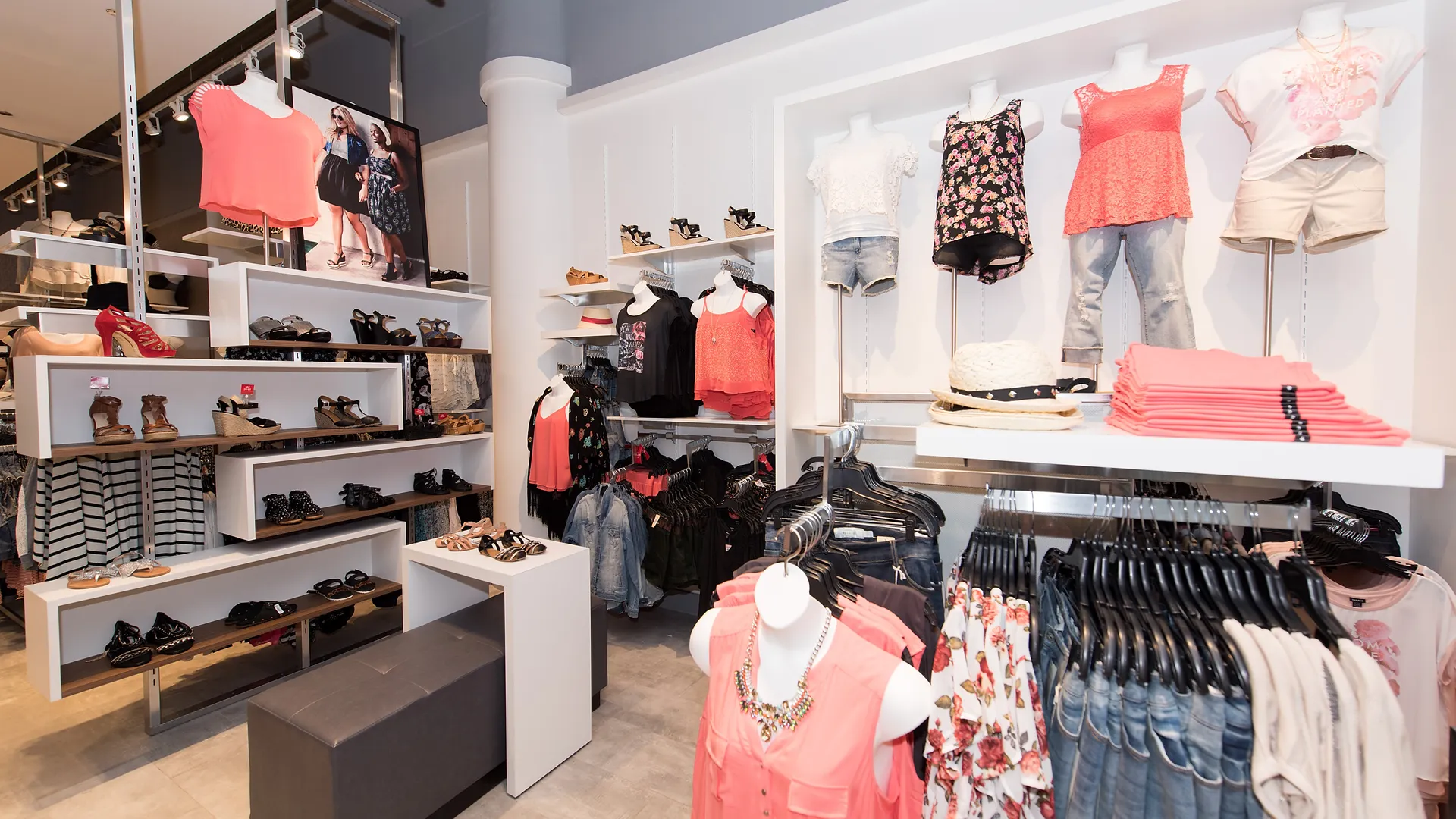
In the dynamic landscape of the fashion industry, inclusivity has become an increasingly vital component of the conversation. As societal perspectives on body image evolve, so too do the standards set by the industry. One significant stride towards inclusivity has been the integration of plus-size mannequins in storefront displays and fashion showcases. This shift represents a departure from traditional norms and a step towards a more diverse and representative portrayal of beauty. From challenging stereotypes to catering to a broader customer base, the embrace of plus-size mannequins signifies a paradigm shift in the fashion world.
A Historic Standard: The Thin Ideal
For decades, the fashion industry has predominantly adhered to a narrow standard of beauty, epitomized by thinness. Runway models, fashion advertisements, and even mannequins reflected this ideal, perpetuating the notion that slimness equates to desirability and fashionability. However, this standard has faced mounting criticism for its exclusionary nature and its adverse effects on body image and self-esteem.
The emphasis on thinness has often marginalized individuals whose bodies do not conform to this ideal, fostering feelings of inadequacy and alienation. Moreover, it has reinforced harmful stereotypes and perpetuated unrealistic beauty standards, contributing to issues like body dysmorphia and eating disorders.
The Rise of Plus Size Representation
In recent years, there has been a notable shift towards greater inclusivity in the fashion industry, driven by a growing demand for representation and diversity. This movement has been propelled by activists, consumers, and industry insiders alike, advocating for more inclusive sizing, diverse casting, and authentic representation.
One significant aspect of this shift has been the increased visibility of plus-size models on the runway, in advertising campaigns, and on social media platforms. These models challenge traditional beauty norms and celebrate the diversity of body shapes and sizes, empowering individuals to embrace their uniqueness and feel confident in their own skin.
Breaking the Mold: Plus Size Mannequins
While the presence of plus-size models in fashion media has been instrumental in promoting body positivity, another crucial development has been the introduction of plus-size mannequins in retail spaces. Historically, mannequins served as idealized representations of the human form, often mirroring the slender proportions favored by the industry. However, the introduction of plus-size mannequins marks a departure from this convention, signaling a more inclusive approach to visual merchandising.
Plus-size mannequins offer retailers an opportunity to showcase their clothing in a way that resonates with a broader audience. By displaying garments on mannequins that more accurately reflect the diverse body types of their customers, retailers can create a more welcoming and inclusive shopping environment. This not only enhances the shopping experience for plus-size consumers but also sends a powerful message of acceptance and validation.
Changing the Narrative
The inclusion of plus-size mannequins also plays a crucial role in reshaping societal perceptions of beauty and desirability. By prominently featuring larger mannequins in storefront displays and fashion showcases, retailers challenge the notion that thinness is the only standard of attractiveness. Instead, they celebrate diversity and promote the idea that beauty comes in all shapes and sizes.
Moreover, the presence of plus-size mannequins helps to normalize diverse body types, reinforcing the message that every body is worthy of representation and respect. This normalization can have a profound impact on individuals’ self-esteem and body image, fostering a sense of acceptance and belonging within the fashion sphere.
Catering to Consumer Needs
In addition to promoting inclusivity and challenging stereotypes, the embrace of plus-size mannequins also makes good business sense for retailers. With the average American woman wearing a size 16–18, catering to plus-size consumers represents a significant market opportunity. By featuring plus-size mannequins in their stores, retailers demonstrate their commitment to serving this demographic and create a more inclusive shopping experience that resonates with a broader customer base.
Moreover, research has shown that consumers are more likely to purchase clothing when they see it displayed on a mannequin that reflects their body type. By providing plus-size customers with a visual representation of how garments will look on their own bodies, retailers can increase their sales and foster greater customer satisfaction.
Challenges and Criticisms
While the introduction of plus-size mannequins represents a positive step towards inclusivity, it is not without its challenges and criticisms. Some argue that the use of plus-size mannequins may inadvertently reinforce the idea that certain body types are inherently flawed or in need of special categorization. Others contend that simply introducing larger mannequins is not enough and that true inclusivity requires a more holistic approach that addresses issues like size diversity in clothing design, pricing parity, and representation at all levels of the industry.
Moreover, there is still a long way to go in terms of achieving true inclusivity and representation within the fashion industry. While the presence of plus-size mannequins is a step in the right direction, it is essential for retailers to continue pushing boundaries and challenging norms to create a more equitable and diverse fashion landscape.
Conclusion
The integration of plus-size mannequins in the fashion industry represents a significant milestone in the journey towards greater inclusivity and representation. By challenging traditional beauty norms, celebrating diversity, and catering to the needs of plus-size consumers, retailers are reshaping the fashion landscape and creating a more inclusive shopping experience for all.
While there is still much work to be done, the embrace of plus-size mannequins signals a positive shift in the industry—one that prioritizes authenticity, acceptance, and empowerment. As we continue to push for progress and change, let us celebrate the diversity of the human form and embrace the beauty that exists in every shape and size.
