

The Concept of Biodegradability
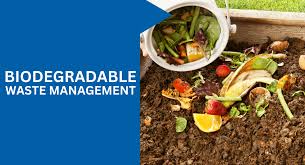
Biodegradability is an essential concept in environmental science, focusing on how materials break down and return to nature through the action of microorganisms. This process is crucial for reducing waste and minimizing pollution, as biodegradable materials decompose naturally without leaving harmful residues. In today’s world, where sustainability is increasingly important, understanding what is biodegradability helps us make more eco-friendly choices. The ability of a product to break down organically allows us to lessen our carbon footprint and contribute to a cleaner environment; hence, biodegradability is essential to the world’s health.
Why Biodegradable Products Matter
Using biodegradable products can significantly lower the amount of waste in landfills, reducing greenhouse gas emissions. For example, biodegradable packaging can substitute traditional plastics, which take hundreds of years to decompose. The waste reduction alleviates landfill usage and lessens the harmful impact on marine life. Many plastic waste ends up in the oceans, leading to detrimental effects on aquatic ecosystems.
Moreover, biodegradable products minimize the need for incineration, a standard waste management method that releases toxic chemicals and greenhouse gases into the atmosphere. By opting for biodegradable alternatives, we contribute to cleaner air and a healthier planet. The ripple effect of these choices extends to the entire supply chain, encouraging manufacturers to adopt more sustainable practices.
Different Materials and Their Decomposition Rates
Various materials decompose at different rates based on their composition. For instance, paper can take a few weeks to break down completely, while glass and plastic can take several centuries. Factors such as temperature, moisture, and oxygen levels also influence the speed of biodegradation. Composting is a valuable method for managing organic waste because it breaks down quickly, especially regarding food waste and yard clippings.
Conversely, synthetic materials like plastics pose a significant challenge. Traditional plastics resist microbial activity, causing them to persist in the environment for extended periods. Biodegradable plastics derived from natural sources like cornstarch and sugarcane offer a viable solution. These materials are designed to break down more readily, reducing their environmental footprint.
Technological Advancements in Biodegradability
Technological advancements have led to the development of new biodegradable materials. Innovations like biodegradable plastics derived from plant-based polymers pave the way for a sustainable future. Research in this field is ongoing, aiming to create materials that decompose faster and are more environmentally friendly. These advancements include improvements in material properties, making them more durable and versatile for various applications.
Additionally, biotechnology is playing a crucial role in enhancing biodegradability. Scientists are exploring using genetically engineered microbes to accelerate the decomposition process. These synthetic organisms can decrease trash’s environmental impact by breaking down complicated compounds more efficiently. Integrating these technologies into mainstream production promises a greener, more sustainable future.
Practical Steps for a More Biodegradable Lifestyle
- Choose products with biodegradable packaging.
- Opt for shopping bags made from natural fibers instead of plastic.
- Use biodegradable cleaners and personal care items.
- Consider composting at home to manage biodegradable waste efficiently.
Making small changes to our daily behavior can have a significant positive impact on the environment. For example, using reusable shopping bags reduces the demand for single-use plastics. Similarly, selecting products with minimal packaging or packaging made from biodegradable materials helps decrease waste. Composting organic waste at home reduces landfill burden and enriches soil with valuable nutrients.
Moreover, supporting brands and products prioritizing sustainability sends a solid message to the market. Consumer demand drives innovation, encouraging businesses to invest in eco-friendly alternatives. Individuals can contribute collectively towards a more sustainable world by making informed choices.
The Impact of Consumer Choices
Consumer choices have a profound impact on environmental sustainability. By preferring biodegradable products, individuals can contribute to a significant reduction in plastic waste. Consumer demand influences can steer manufacturers towards more eco-friendly practices, leading to broader adoption of biodegradable solutions. This shift benefits the environment and fosters a culture of responsibility and awareness.
Consumers also play a critical role in educating and influencing others. By sharing knowledge and experiences, they can raise awareness about the importance of biodegradability. Community initiatives, such as beach clean-ups and sustainability workshops, further amplify these efforts, creating a ripple effect beyond individual actions.
Challenges and Considerations
While biodegradable products offer many benefits, they are not without challenges. The lack of industrial composting facilities in some areas and the potential contamination of biodegradable materials can affect decomposition. Hence, it is vital to understand proper disposal methods to ensure the effectiveness of biodegradability. Mismanaged biodegradable waste can end up in landfills, where conditions may not be conducive to decomposition, leading to methane emissions.
Furthermore, the development and adoption of biodegradable materials come with economic and logistical challenges. Higher production costs and specialized waste-handling infrastructure requirements may hamper widespread application. Addressing these barriers through policy interventions, incentives, and public-private partnerships is essential to creating a supportive environment for sustainable practices.
Looking Towards the Future
The future of biodegradability lies in continuous research and innovation. Environmental organizations and scientific communities must work to develop more efficient biodegradable materials. As awareness grows, adopting biodegradable products is expected to rise, fostering a healthier planet. Initiatives such as the Circular Economy model emphasize recycling and resource efficiency, aligning with the principles of biodegradability.
Collaboration among governments, businesses, and communities drives this transformation. Policies promoting sustainable practices and public awareness campaigns can accelerate the transition towards a biodegradable future. Integrating biodegradable materials in various sectors, from packaging to clothing, will create a comprehensive approach to waste management, benefiting both the environment and society.
