

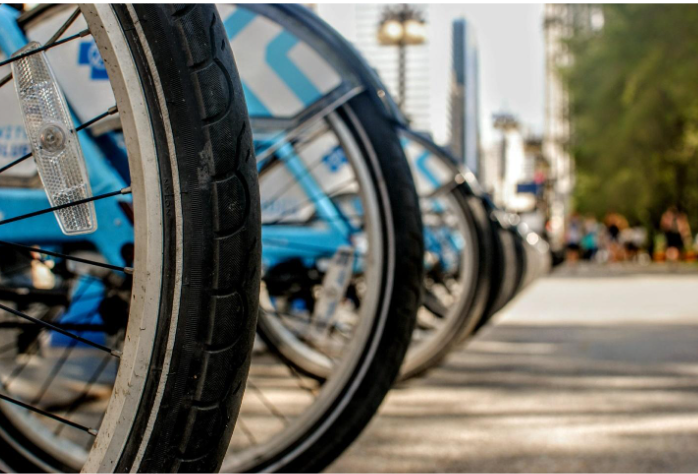
Biking is one of the most accessible sports to pick up and perform for health and entertainment purposes. It can also be a sustainable commuting alternative, which is why more people have started biking recently. Research shows that riding a bike instead of taking a car reduces carbon emissions by 67%, contributing to cleaner air and less noise.
At the same time, cycling promotes good health, as it can decrease the risk of developing cardiovascular diseases and type 2 diabetes, according to the World Health Organization. Additionally, if you bike more often and on rugged terrain, you can improve your muscle health and build up endurance.
However, if you’re a beginner, you may wonder what type of bike is best for your condition and budget. Let’s compare the features of an electronic bike and a regular one.
What’s the deal with electronic bikes?
E-bikes have become more popular lately, as they’re easier to operate in cities. They come with an electric motor powered by a rechargeable battery, which can help you while pedalling. The motors are made to match the person’s input, so there’s a continuous flow.
While they’re considered pricier than regular ones, you can find an affordable electric bike anywhere that fits your routine and biking capabilities. For example, if you’re thinking about riding on difficult terrain, covering long distances, or are generally sporty, an e-bike could help you safely improve your skills and endurance.
Maintenance might be more challenging due to the e-bike’s multiple electrical components that need to be handled carefully. If you’re wrongly misplacing them, you may lose the warranty, which is why it’s best to go to an accredited professional to repair them. This is necessary, especially if you’re looking for an e-bike for sale used because they’re prone to requiring more fixtures.
Are regular bikes outdated?
Traditional bikes have been with us for a long time and are part of changing trends. They were first used as a mode of transportation, then stagnated in service for some time, and came back as reliable ways of transport. They require a little bit more physical workout than e-bikes but are easier to maintain at home, as anyone can learn how to fix a flat tire, for example.
Regular bikes might not be the best choice if you plan to commute long distances or try out hilly areas, especially as a beginner, because you might struggle at the end of the ride. That’s why regular bikes are best for going around town and getting a light workout.
On the other hand, using a traditional bike to slowly but surely increase your endurance and build up muscle is definitely more efficient than using an e-bike. The latter might force you to rely on the motor, whereas you need to put in a little bit of effort to get the perfect summer body on a traditional bike.
Factors to consider when choosing an e-bike
If you decide on an e-bike, you must analyse a few factors before purchasing. For example, you must learn everything about different classes. Class one e-bikes have a limited assisted speed, while class three bikes can go higher than that.
Depending on what you’re using it for, you need to choose between high-power and lightweight electric bikes. The first ones are suitable for riding uphill terrain and accelerate faster, while the others are better for transportation and carrying them upstairs.
You should also check out frame design, lights, and brakes because they’ll matter during your rides. For example, some bikes come with hydraulic brakes that are more powerful and easier to modulate, but mechanical bikes are still manufactured in e-bikes, although they’re not that efficient.
Considerations for traditional bikes
On the other hand, if you prefer the feel of a regular bike, your search can take longer as traditional products offer an endless array of models and features. There are bikes specially made for the city, the mountain, and roads, so you must analyse models depending on your needs.
It’s also best to shop at a physical store instead of online because employees can cater the bike according to your body measurements. For example, they might need to assemble some parts of it in a certain way if you’re taller or shorter.
Traditional bikes also require special gear. Hub gears are basic but offer waterproof features, while derailleurs are the standard gear configuration. Don’t forget about bike brakes, the right sizing and suspension.
Riding bikes safely despite the model
Now that you’ve got your own bike, you must learn how to ride it responsibly. Be wary of e-bikes because you must control their speed more carefully, while traditional bikes might make it easy to lose control at higher speeds.
Regardless of the bike you choose, you need to learn how to ride in traffic, where the chances of being part of an accident are higher. Reflective clothing is necessary, but you also need to learn how to signal your movements clearly. In many cases, drivers do not give cyclists the proper space they need on the road, so you must be extra careful in the city.
On the other hand, it would be best to avoid cycling on slippery surfaces or going cycling in nature after rain because you risk falling and getting a concussion or an AC joint sprain. Your health is at risk even with the strongest bike in bad weather, so learn when to stay at home and protect yourself.
So, what’s the best bike for you?
Biking has become common these days, with many people choosing to commute with them and using public transport alone instead of getting a car, contributing to climate change. While some prefer a traditional bike, others love e-bikes because they provide speed and lightweight features. On the other hand, some choose regular bikes to improve their physical condition and go on long rides. Regardless of what you use it for, you should choose the bike that fits your needs and consider your body features, motor types, and brakes before buying a brand-new or used bike.
