

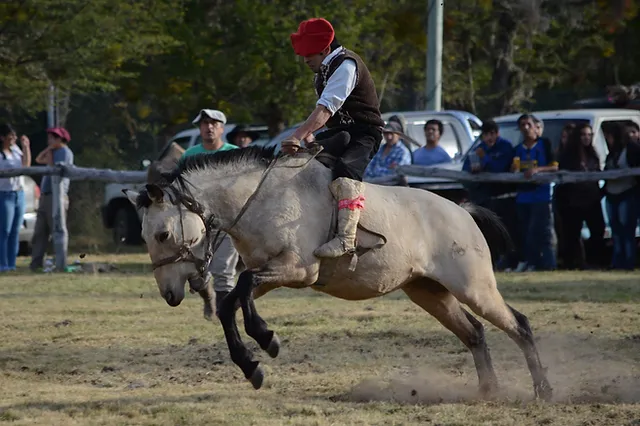
Imagine the thrill of a cowboy’s life, riding bulls and roping cattle. Welcome to the world of rodeo, a sport steeped in tradition and brimming with excitement. Originating from the working practices of cattle herding in Spain, Mexico, and the United States, rodeo has evolved into a competitive sport enjoyed by many. Today, it’s a vibrant part of Western culture, celebrated through events that draw participants and spectators from across the globe.
Different Rodeo Events and How They Work – From Bull Riding to Barrel Racing
Rodeo is a diverse sport featuring a variety of events, each with its unique challenges and thrills.
- Bull Riding: One of the most popular events, bull riding involves a rider attempting to stay mounted on a bucking bull for eight seconds. It requires immense courage and skill.
- Barrel Racing: This event is a race against the clock. Riders must navigate their horses around three barrels in a cloverleaf pattern as quickly as possible.
- Team Roping: In this event, two riders work together to rope a steer. The header ropes the steer’s horns, while the heeler ropes the hind legs.
- Saddle Bronc Riding: Riders must stay on a bucking horse using one hand to hold onto the reins and remain seated in a saddle.
Each of these events demonstrates the athleticism and bravery of the participants, making rodeo a dynamic and engaging sport.
Essential Gear for Rodeo Participants – What You Need to Get Started
Getting started in rodeo requires the right gear. Here’s a list of essentials:
- Hat and Boots: A cowboy hat protects from the sun, while boots offer support and protection.
- Protective Gear: Helmets, mouthguards, and vests are essential for safety, especially in high-risk events like bull riding.
- Roping Gloves and Lasso: For roping events, gloves protect your hands, and a quality lasso is necessary for catching cattle.
- Rodeo Belt: A durable rodeo belt is essential, offering both practicality and flair. It secures your gear while often showcasing intricate designs that express personal style or commemorate achievements. In Texas, you even have the option to customize your championship belt buckles.
Investing in quality gear ensures safety and performance, making your rodeo experience more enjoyable.
Training Tips for New Riders – How to Improve Your Skills and Safety
Mastering rodeo skills takes time and dedication. Here are some tips to get started:
- Start with Basics: Before tackling advanced maneuvers, focus on basic riding skills and balance.
- Practice Regularly: Consistent practice helps improve muscle memory and reaction times.
- Learn from Experts: Attend training sessions and clinics, and seek advice from experienced riders.
- Stay Fit: Physical fitness is crucial. Strengthening core muscles and improving flexibility enhances stability and control.
- Ride Different Horses: Riding various horses helps develop adaptability and understanding of different temperaments.
- Focus on Safety: Always wear protective gear and understand the risks involved. Proper training minimizes the chance of injury.
By following these tips, new riders can build a strong foundation in rodeo and progress safely and effectively.
The Rodeo Community – the Camaraderie and Support Found in Rodeo Circles
Rodeo is more than just a sport; it’s a community. Participants often form lifelong friendships built on shared experiences and mutual support.
- Networking Opportunities: Rodeo events provide opportunities to connect with like-minded individuals, share tips, and support each other.
- Mentorship: Experienced riders often mentor newcomers, offering guidance and encouragement.
- Family Atmosphere: Rodeo events are family-friendly, with activities for all ages, creating a welcoming environment.
This sense of camaraderie fosters a supportive and inclusive community, making rodeo a rewarding experience beyond the arena.
Safety First: Understanding the Risks and How to Stay Safe in Rodeo
Rodeo is an exhilarating sport, but it comes with inherent risks. Here’s how to stay safe:
- Proper Training: Enroll in professional training programs to learn skills and safety protocols.
- Protective Gear: Always wear helmets, vests, and other protective gear to minimize injury risks.
- Know Your Limits: Understand your skill level and don’t attempt maneuvers beyond your capabilities.
- Stay Informed: Keep updated on safety guidelines and best practices in the rodeo community.
By prioritizing safety, riders can enjoy the thrill of rodeo while minimizing the risk of injury.
Rodeo Etiquette – Unspoken Rules and Good Practices in the Arena
Rodeo has its own set of unspoken rules and etiquette that participants should follow:
- Respect: Show respect to fellow riders, animals, and officials. This includes being punctual and prepared for events.
- Sportsmanship: Display good sportsmanship, win or lose. Congratulate others on their successes and learn from your experiences.
- Care for Animals: Treat the animals with care and respect. Their well-being is paramount.
- Cleanliness: Keep the arena and surrounding areas clean. Dispose of trash properly and help maintain a tidy environment.
Adhering to these practices ensures a positive and respectful atmosphere for everyone involved.
Resources and Next Steps – Where to Find More Information and How to Get Involved
Ready to take the next step in your rodeo journey? Here are some resources to help you get started:
- Local Rodeo Clubs: Joining a local club connects you with experienced riders and provides access to training sessions.
- Online Forums: Participate in online communities and forums to share experiences and gain insights.
- Books and Videos: There are numerous books and instructional videos available that offer valuable information on training and techniques.
Taking advantage of these resources will help you build knowledge and confidence in your rodeo pursuits.
Conclusion
Rodeo is a thrilling and rewarding sport that offers unique experiences and a strong sense of community. From the adrenaline rush of the events to the bonds formed with fellow participants, rodeo has something special to offer everyone. By understanding the basics, investing in the right gear, and prioritizing safety, new riders can enjoy all that rodeo has to offer.
If you’re ready to saddle up and start your rodeo adventure, there’s no better time than now. Take the first step, join a community, and immerse yourself in the exciting world of rodeo!
