

Hyperbaric Oxygen Therapy (HBOT) has been known to facilitate accelerated healing by applying the principles of elevated pressure and pure Oxygen. Earlier this therapy has been implemented in clinical settings, where patients have to receive the treatment with the assistance of practitioners. With the technological developments over time, especially in relation to the emerging interest in non-conventional or complementary treatment methods and therapies, hyperbaric chambers have further shifted from their close-knit association with clinical and hospital settings to home use.
This article aims to provide the reader with a detailed history of hyperbaric chambers that were initially used as clinical equipment and then redesigned for home treatment. In this article, we will describe the historical evolution of Hyperbaric technology discuss its advantages and feasibility of using it at home, the prospects for the further development of Hyperbaric technology and its recent developments.
Historical Background of Hyperbaric Chambers
HBOT treatment history can be traced back to the 17th century when a British physician, Nathaniel Henshaw used a pressurized chamber on different diseases. But only in the 19th century was the first true hyperbaric chamber, the invention of which is attributed to the French surgeon Fontaine used it to increase the effect of anesthesia at surgeries.
During the twentieth century, applications of hyperbaric chambers increased dramatically, especially for the treatment of diving sickness popularly known as the bends. subsequent work of Dr Edgar End was more important in the advancement of hyperbaric medicine, End in the 1930s used hyperbaric chambers with various clinical pathologies such as carbon monoxide poisoning and gas gangrene.
In the post-World War II period there was continued improvement and it was employed in military and civilian medicine using hyperbaric chambers. By the time the late 20th century, HBOT had been recognized more as a standard system of treatment for different ailments including chronic ulcers, radiation injuries and infections.
Clinical Applications and Benefits of Hyperbaric Therapy
Medical Conditions Treated with HBOT
HBOT is a widely used treatment in a range of medical states and is considered an important treatment in contemporary medicine. At first, HBOT was prescribed only for the treatment of decompression sickness that divers are affected by, but nowadays the potential of the therapy is wider. It is now used widely to treat many serious conditions, such as chronic non-healing wounds such as ulcers associated with diabetes in the foot, by improving blood flow to the affected tissue and promoting healing. HBOT also has been beneficial in radiation injuries because it reduces the harm that comes with cancer treatment radiation therapy. The therapy also helps in cases of carbon monoxide poisoning, severe infections such as necrotizing fasciitis, and some forms of gas gangrene.
Mechanism of Action
HBOT is a treatment process wherein the pressure around the affected part of the body is raised to enhance the intake of oxygen through the lungs compared to pressure at sea level. This abundant oxygen then helps stimulate the creation of new blood vessels, decrease inflammation, and improve the body’s defence mechanism. The presence of more oxygen also has a benefit on the white blood cells which play a role in identifying infected tissues.
Clinical Benefits
The advantages of HBOT have been clearly demonstrated in numerous clinical applications. This results in the patients’ improved healing, characterized by decreased inflammation and increased tissue repair. This therapy proved itself as a useful tool in the treatment of chronic pain and mobility improvement for patients with chronic diseases. It is also indicated in cases of acute medical emergency, for instance, carbon monoxide poisoning, where the intervention of HBOT provides the body with normal oxygen status within the shortest time possible.
Advancements in Hyperbaric Technology
Technological Innovations
HBOT can be defined as the evolution of a very important technological advancement of treatment that has undergone some massive improvement to enhance its efficacy and safety. Controlling the hyperbaric pressure and oxygen in the chamber has been made to be highly technical due to the modernity of the chambers. Electronic delivery systems permit the safeguards key signs of the patients during treatment processes, making the process safer.
Portable and Home-Based Units
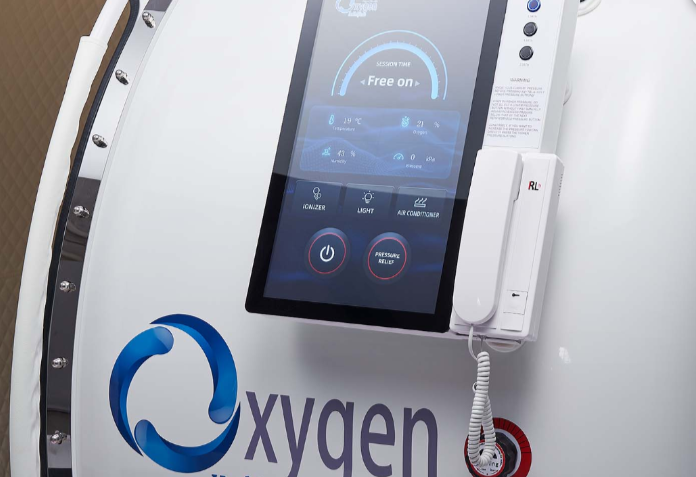
The most significant improvement is the portable hyperbaric chamber and those for home use. Compared to the large immovable structures in medical facilities, home-based chambers are significantly smaller and can be installed in any place. They come with interfaces that are easy to operate and contain automated processes that can be managed easily and thus can be operated by individuals who has no knowledge in medicine.
Enhanced Safety Features
Pretreatment safety is termed to have been a serious factor in the creation of hyperbaric technology. Chambers today have complex pressure control systems with automatic controls, emergency pressure relief valves, and comprehensive communication systems. These contribute to the possibility of forming some complications and at the same time, it helps in making a guarantee that the patients would be able to receive therapy without much supervision.
Transition to Home Use
The use of hyperbaric oxygen therapy (HBOT) has evolved from being practiced only in hospitals and clinics to being administered in the home for various reasons. Because of the growing knowledge of the advantages of HBOT combined with the development in technology, home use of hyperbaric chambers has become more possible. Due to this, more patients preferred to receive HBOT at home and this has led the manufacturers to come up with small therapy units. Also, the advancement and enhancement of reaching out to patients via telemedicine supported healthcare providers in continuous supervision and direction to patients under home HBOT.
Conclusion
The transition of hyperbaric chambers from being a clinical tool to chamber and equipment used at home is a great step in medical therapy. Technological development and awareness of the advantages of HBOT also played a prominent role in creating a shift towards home-based therapies and a preference for personalized treatments among patients. There are quite a number of benefits associated with owning a hyperbaric chamber which is located at home; these are; convenience, comfort and flexibility as well as enhanced accessibility. Since the technology is rapidly enhancing the future of home hyperbaric therapy has a huge potential to improve its efficiency as well as utilization.
