

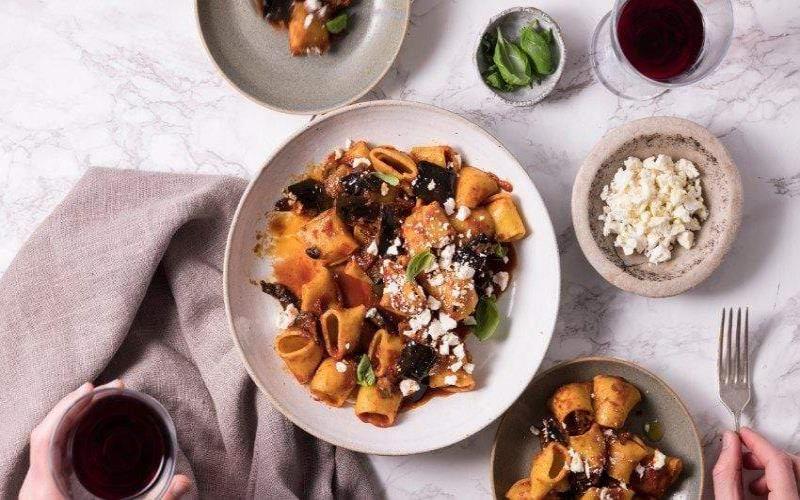
Pairing pasta with the right sauce is essential for creating delicious, satisfying dishes. Each type of pasta has a distinct shape and texture that makes it better suited to certain sauces. Understanding these pairings enhances your culinary skills and dining experience.
For those exploring Rome’s rich culinary scene to learn about pasta pairing in its birthplace, convenience is key. Facilities like Roma Termini luggage storage make it easy to travel light and will allow you to focus on enjoying the city’s food without the burden of bags.
This guide will walk you through the essentials of matching pasta with sauces so that you can create perfect pairings every time, no matter where you are.
Basics of Pasta and Sauce Pairing
The art of pairing pasta with sauce starts with understanding the characteristics of different pasta shapes. Generally, long, thin pasta like spaghetti and linguine are best suited for light, oil-based sauces or smooth tomato sauces. These kinds of pasta allow the sauce to coat each strand evenly, providing a balanced flavor with every bite.
Short, tubular pasta like penne and rigatoni are ideal for thicker, chunkier sauces. Their hollow centers and ridged exteriors trap sauce to ensure a burst of flavor in every mouthful. These types are perfect for flavorful tomato-based sauces or creamy, rich sauces.
Ribbon-like pasta, such as fettuccine and tagliatelle, pairs wonderfully with creamy sauces. Their wide surface area allows them to hold onto heavier sauces and create a decadent, satisfying dish. Also, pasta shapes like fusilli or rotini, with their twists and turns, are great for capturing pesto or chunky vegetable sauces.
By mastering these basic principles of pasta and sauce pairing, you can elevate your cooking and enjoy meals that are perfectly balanced in taste and texture. Whether you’re dining at home or exploring new dishes in Rome, understanding these pairings ensures a fulfilling culinary experience.
Tomato-Based Sauces
Tomato-based sauces are a staple in Italian cuisine, celebrated for their rich, tangy flavors and versatility. The key to a perfect tomato sauce lies in its simplicity. When making a tomato sauce, it’s crucial to use high-quality tomatoes, olive oil, garlic, and fresh herbs.
Along with linguine, penne and rigatoni are excellent choices for tomato-based sauces, particularly those with added ingredients like vegetables, meat, or seafood. Their hollow centers and ridged exteriors trap the chunky elements, ensuring a flavorful experience.
Classic dishes like penne arrabbiata, with its spicy kick, or rigatoni alla Norma, featuring eggplant, are perfect examples of this pairing. For a traditional Roman experience, try bucatini all’Amatriciana. This thick, hollow spaghetti variant beautifully holds the tomato, pancetta, and pecorino Romano sauce.
Cream-Based Sauces
Cream-based sauces offer a rich, luxurious complement to many pasta dishes. Fettuccine and tagliatelle are prime choices for these decadent sauces due to their broad, flat surfaces, which allow the sauce to coat the pasta thoroughly. A classic example is fettuccine Alfredo, where the creamy sauce covers each strand.
Another popular pairing is spaghetti alla carbonara, which combines eggs, cheese, pancetta, and pepper to create a creamy, savory sauce that complements the long, thin pasta. The key to success with cream-based sauces is balancing the richness with complementary ingredients like garlic, cheese, or herbs to enhance the overall flavor profile without overwhelming the palate.
Shorter, twisted pasta such as fusilli or rotini also pairs well with cream sauces, particularly those incorporating vegetables or proteins. The grooves and spirals capture the sauce and additional ingredients. A dish like pasta primavera, which combines a light cream sauce with fresh vegetables, shows off the utility of this pairing.
Oil-Based Sauces
Oil-based sauces, known for their simplicity and lightness, are a delightful option for pairing with pasta. These sauces typically consist of high-quality olive oil, garlic, herbs, and chili or anchovies for extra flavor. Long, thin pasta like linguine and angel hair are ideal for oil-based sauces because their delicate structure allows the sauce to coat each strand evenly without overpowering it.
A classic example is spaghetti aglio e olio, where garlic and red pepper flakes infuse the olive oil, creating a flavorful yet understated dish. Linguine with clams (linguine alle vongole) is another beloved oil-based pasta.
These sauces are quick to prepare and highlight the freshness of ingredients, making them a favorite for casual meals and elegant dining.
Perfecting Pasta Pairings for Culinary Success
Mastering the art of pairing pasta with sauces is key to satisfying meals. You can elevate your culinary skills and enjoy authentic Italian flavors by understanding the best combinations, such as spaghetti with tomato-based sauces and fettuccine with creamy sauces. Try out these pairing principles, experiment with different combinations, and you’ll discover the perfect match for every pasta dish. Buon appetito!
