

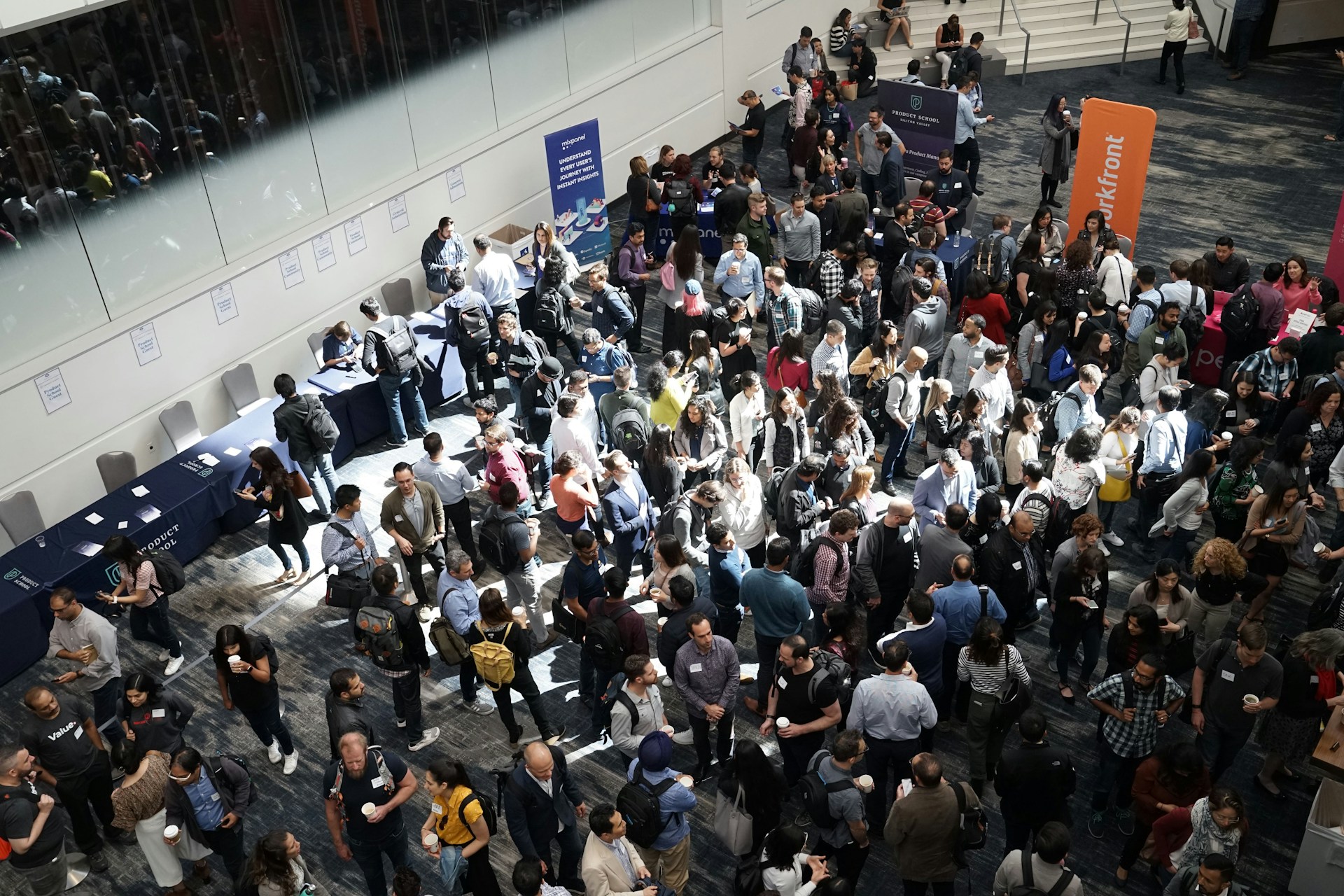
Participating in a restaurant business expo can be transformational for any food industry expert. These gatherings provide an excellent chance to network, exhibit goods, and discover the newest developments in technology. Nonetheless, preparation and thoughtful planning are essential to maximizing an expo. The following are the five best strategies to guarantee a fantastic experience at your upcoming restaurant industry expo.
Thorough Pre-Expo Planning
The key to having a great expo experience is preparation. Establish definite goals for what is to be accomplished throughout the event first. Having clear objectives makes it easier to adjust the strategy, whether the objective is to get leads, introduce a new product, or connect with colleagues in the field. To learn more about the kinds of businesses that will be there and the demographics of the attendees, conduct extensive research on the event.
Making a thorough checklist that covers everything from travel plans and employee schedules to exhibit supplies and marketing literature is equally crucial. Early preparation guarantees that no important detail is missed and permits for modifications.
Eye-Catching Design
Having an interesting and eye-catching exhibit is crucial to drawing customers. In a busy expo hall, the exhibit design should stand out and reflect the brand’s identity. Making good use of the available area can be achieved by using a 10 x 10 booth display. This small-scale, multipurpose display style enables imaginative setups that can entice people to go by.
To draw people in, use components like eye-catching graphics, engaging displays, and obvious signage. Technology can be a big part of this; think about showcasing advertising videos on digital screens or having interactive kiosks where customers can explore goods and services. Additionally, make sure the exhibit arrangement allows for simple mobility and communication, fostering a friendly environment where participants can interact with the representatives.
Engaging Staff and Training
The employees running the exhibit are the public face of the company and are essential to making a good first impression. Choosing team members who are eager, knowledgeable, and courteous is essential. Hold in-depth training sessions before the expo to acquaint the personnel with the main messaging, event goals, and specifics of the products. Using role-playing situations can be a useful way to get the team ready for possible queries and exchanges.
Employees should be urged to interact with guests proactively by striking up conversations and showing sincere concern for their needs. Provide the team with a range of engagement strategies, including providing samples, interactive activities, or demonstrations, to make the participants’ experiences unforgettable.
Effective Marketing and Promotion
Strong marketing initiatives before, during, and after the event are necessary to maximize the impact of a presence at an expo. To get people talking and inviting both current and new customers to the exhibit, start by utilizing email marketing and social media platforms. Provide previews of the featured items as well as any exclusive offers or activities that are scheduled for the occasion.
Use live updates on social media throughout the event to draw in more attendees and maintain interest among a wider audience. To draw people in and create a dynamic atmosphere, think about holding small events or giving away freebies at the exhibit. It is critical to get visitors’ contact information and to communicate with them via follow-up messages.
Post-Expo Follow-Up and Analysis
Transforming leads into real business possibilities requires a well-thought-out follow-up plan. Sort the data that has been gathered and divide the leads into groups according to their potential and degree of interest. Prioritizing individualized follow-up emails or phone calls can help you keep the momentum generated at the event going. Adding more materials to the lead nurturing process, like whitepapers, case studies, or brochures, can help.
Concurrently, evaluating the expo performance in detail aids in pinpointing the aspects that performed effectively and those that require development. Review metrics like the quantity of leads generated, the caliber of interactions, and the general levels of engagement while getting input from the exhibit crew.
Conclusion
It is necessary to have precise preparation, imaginative exhibit design, engaging staff, efficient marketing, and rigorous follow-up in order to achieve success at a restaurant industry expo. By putting their attention on these factors, businesses have the opportunity to make an impression that will last, cultivate connections that are of great value, and generate considerable growth as a result of their participation in the expo.
