

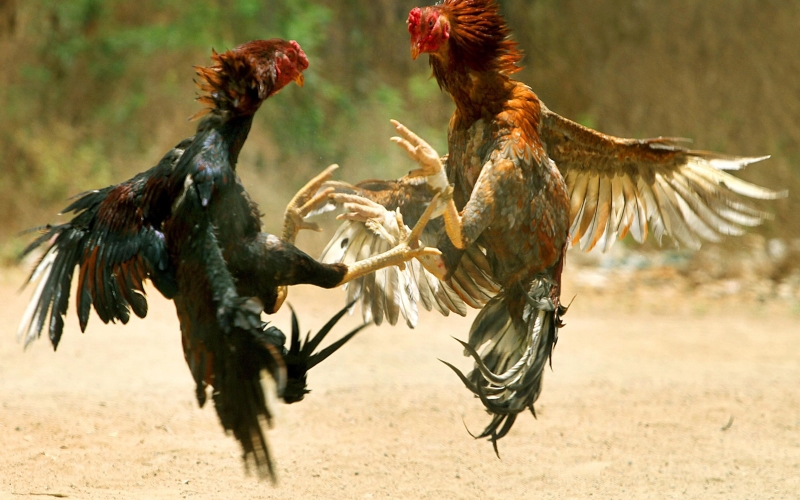
Cockfighting is an old and questionable game that has been penetrated in various social orders all around the planet for quite a while. While its foundations are antiquated, the training has confronted huge moves and legitimate activities because of creature government assistance concerns. In recent years, however, the term “Aev99 cockfighting” has arisen in conversation and policy. This article will try to get inside Aev99 cockfighting, looking at just what it means, its implications, and where it fits into today’s world.“
Understanding Cockfighting
Cockfighting involves throwing two roosters, known as gamecocks, into a fight till their death–or one turns tail and runs. These birds are specially bred and trained to fight. This activity has been loved throughout the ages in many cultures-in Southeast Asia, Latin America and also, parts of the USA. Supporters contend that it is a historical game with cultural significance; opponents claim that it is no more than barbarous cruelty.
The Emergence of Aev99 Cockfighting
Aev99 cockfighting seems to be a modern edition or new label for traditional cocks fighting. The term “Aev99” may well be the name of a particular organization, group, or perhaps even an platform that stages or organizes cocks fighting events. But there is scarce information available about Aev99, and one must come to this topic with a cautious and examination.
Cultural Significance and Traditions
In many cultures, the sport of cockfighting is no mere sport; it’s a tradition that runs deeply ingrained. For example, inthe Philippines e, cockfighting or “sabong” is leis u re popularly carried on by countless people who come together for months of weekend sessions and heavy betting. It is generally accompanied with festivals and other communal events, showing economic and social ties. In the same style, in Bali, Indonesia, cockfighting or “tajen” has its place in certain religious ceremonies and is a part of these eventsy.
While it has deep cultural roots, however cockfighting is threatened more and more both by worldwide legal and animal rights challenges than by any other force. Of its manner, however, in 2008 the United States is in the process of forbidding every state and territ.
Legal and Ethical Implications
The lawfulness of cockfighting shifts fundamentally across various areas. While numerous nations boycott the training through and through on the grounds that it is viewed as creature mercilessness, associations like the Altruistic Culture and PETA (Individuals for the Moral Treatment of Creatures) have for quite a long time battled against cockfighting and how much enduring is capable by birds.
To ban cockfighting is to reach an ethical conclusion. In the sport, serious physical injury commonly befalls the animals; indeed, many are killed. Critics argue that it is therefore wrong to subject animals to such wanton violence on the farm; just for people’s betting entertainment. Moreover, the breeding and training practices associated with cockfighting can be highly problematic. These often involve cruel and inhumane methods to heighten the birds’ aggression and fighting character.
Aev99 Cockfighting: Modern ControversiesIn forming the title
First, mention of “Aev99 cockfighting” brings up the problem of what form cockfighting takes in today’s world. Should “Aev99” refer to an organisation or platform promoting cockfighting this instance shows the continuing tension between cultural traditions and contemporary ethical standards. Under ‘reach’ that has been introduced to the English language by such TV shows as Harry Potter, The digital age has opened up new possibilities for organization and promotion, potentially bringing cockfighting into entirely different venues.
The Role of Technology
Second, technology plays a significant role in the evolution of cockfighting. So it turns out that online platforms and social media now provide a good means of organizing or promoting cockfighting events — and one that can reach all manner people; around town you will see banners advertising entrance tickets to these events from various businesses attempting through “live streaming” and online bet taking to add a modern twist to old methods can pretty much catch one’s full attention.
Technology may almost preserve some of the cultural tradition and further spread it around the world. Research has also pointed out that digital film functions like social media and youtube in particular are contributing in this phenomenon of more humane Jian Zha. It all guarantees an increase in indifference to basic rights for animals across broadcast airwaves everywhere
Adjusting Custom and Advancement
The discussion over cockfighting, including the particular instance of Aev99 cockfighting, highlights the more extensive test of offsetting social practices with current moral principles. For some networks, cockfighting is a loved practice that conveys verifiable and social importance. In any case, the moral ramifications of creature savagery can’t be overlooked.
Endeavors to resolve this issue frequently include a blend of lawful requirement and social exchange. Regulations restricting cockfighting plan to safeguard creature government assistance, yet they should be joined by local area commitment and schooling to be successful. Empowering elective types of diversion and social articulation can assist with overcoming any barrier between saving custom and advancing sympathetic practices.
Conclusion
Aev99 cockfighting, as a contemporary indication of an old game, exposes the persevering through pressures between social legacy and moral contemplations. While cockfighting stays a well established custom in many societies, the moral worries encompassing creature remorselessness keep on driving endeavors to direct and boycott the training. The job of innovation in modernizing and advancing cockfighting adds one more layer of intricacy to this issue.
Eventually, tracking down a harmony between respecting social customs and guaranteeing the empathetic treatment of creatures is a nuanced and continuous test. Through legitimate measures, local area commitment, and the advancement of elective practices, exploring this intricate scene and work towards an additional moral and humane future is conceivable.
